
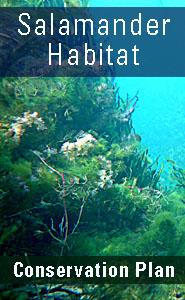
The Austin Blind Salamander (Eurycea waterlooensis) gets its name because it does not have image-forming eyes; this is a result of adapting to life in its primary habitat - the dark, underground waters of the Edwards Aquifer that feed Barton Springs.
<p><strong><big>Austin Blind Salamander</big></strong></p>
<iframe title="Austin Blind Salamander" width="560" height="315" src="https://www.youtube.com/embed/ZJhTYyQSK50" frameborder="0" allow="accelerometer; autoplay; encrypted-media; gyroscope; picture-in-picture" allowfullscreen></iframe>
<iframe title="Austin Blind Salamander" width="560" height="315" src="https://www.youtube.com/embed/ZJhTYyQSK50" frameborder="0" allow="accelerometer; autoplay; encrypted-media; gyroscope; picture-in-picture" allowfullscreen></iframe>