
Environmental Benefits of Composting in Austin
by Jeff Patterson
People know Austin for its green spaces, vibrant gardens, and strong environmental values. Did you know that composting food scraps and yard waste with Austin Resource Recovery (ARR) helps the environment?
Organic waste—like fruit peels, coffee grounds, and food-soiled paper—often ends up in landfills. When this waste decomposes, it releases methane, a harmful greenhouse gas.
ARR’s curbside composting program diverts food scraps and yard waste from landfills. This keeps emissions out of the air and supports cleaner air. It also supports the city's zero-waste goals. It turns waste into a resource instead of a climate threat.
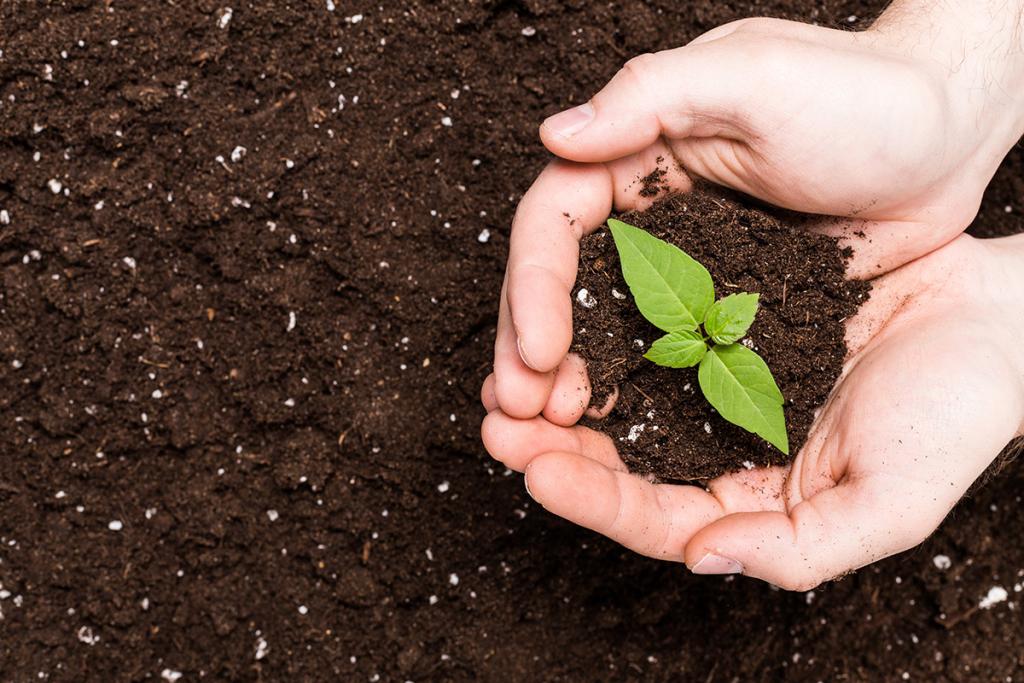
Also, in drought-prone Central Texas, compost has great ecological value. It improves soil structure to help roots penetrate the soil better and hold more water. It supports biodiversity. It also encourages helpful microbes and soil life that help plants grow.
Plants in gardens, community spaces, and urban areas will better withstand heat and drought. These factors are key in Texas's climate.
Composting doesn’t just reduce landfill waste — it builds healthier soil, combats climate change, and strengthens Austin’s ecosystems one kitchen scrap at a time.