
May 8, 2026
May 8, 2026
Austin Intersections: From Concept to Completion
Every intersection in Austin represents months or even years of planning and construction. City staff analyze safety data, design improvements, coordinate with multiple departments, and manage construction in phases to keep traffic moving.
“Across Austin, this work supports a growing network of more than 1,000 traffic signals that the City maintains, builds, and operates, said Cody Stone, Managing Engineer at Austin Transportation and Public Works.
Step 1: Identifying the need
Most intersection projects begin with data. City staff from departments including Transportation and Public Works analyze crash history, frequency, and severity to identify locations where safety improvements may be needed most. Intersections with higher numbers of serious injuries or fatalities are often prioritized for further study.
Needs may also be identified through equity analysis, risk-based analysis (e.g. high speeds), or resident requests.
“Where we’ve implemented these types of intersection safety improvements, we’ve seen about a 38 percent reduction in serious injury and fatal crashes,” said Joel Meyer, Transportation Safety Officer with the Vision Zero program.
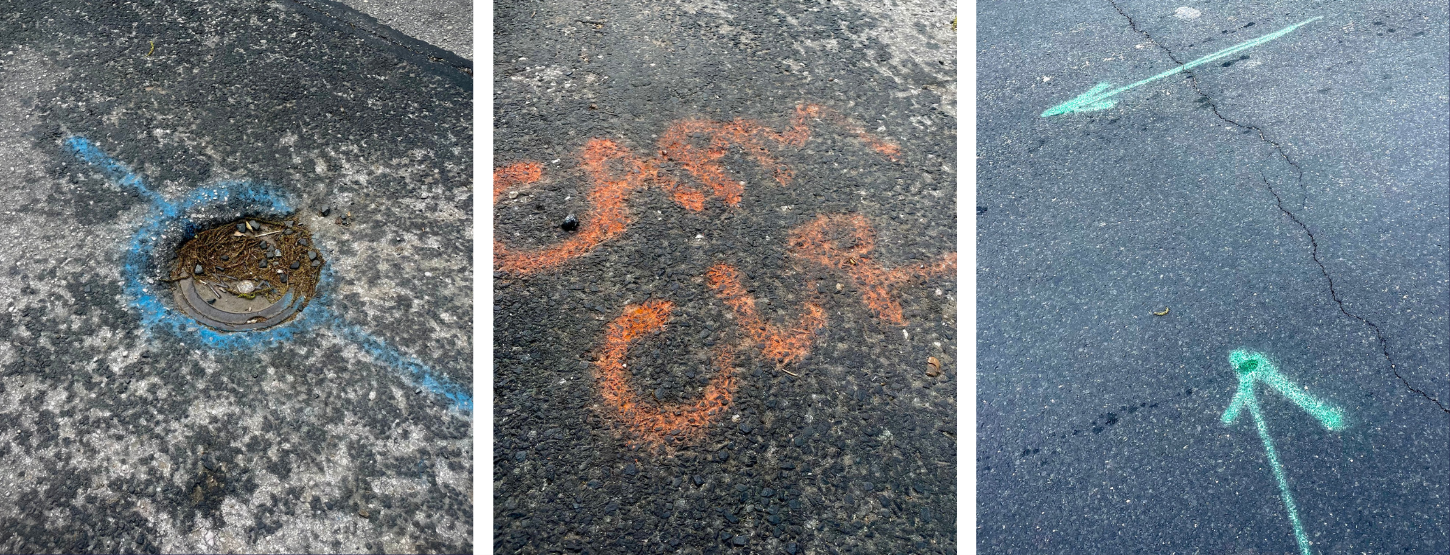
Step 2: Engineering and design
Once staff identify a location, engineers begin designing the intersection. City staff or consulting engineers complete the work.
The process includes surveys and subsurface utility exploration to locate infrastructure such as gas lines, water lines, and electrical utilities. Engineers then design the placement of traffic signal poles, pedestrian signals, and wiring while meeting accessibility and safety requirements.
“We are trying to accommodate multiple modes, but we only have limited right of way,” Stone said. “The challenge is balancing everything, including vehicles, pedestrians, and safety improvements, within that limited space.”
Design plans typically go through several rounds of review before they are finalized.
Step 3: Preparing for construction
Projects may then go through a competitive bidding process to select a contractor. City staff coordinate with partner agencies such as TxDOT or Capital Metro if the intersection affects state roadways or transit routes.
In some cases, the City uses Indefinite Delivery Indefinite Quantity (IDIQ) contracts, which allow crews to complete smaller infrastructure projects more efficiently without conducting a full procurement process for each project.
During this stage, the project team orders materials and develops construction schedules.
Step 4: Installation and testing
Once construction begins, crews install traffic signal infrastructure including poles, pedestrian push buttons, signal cabinets, and electrical wiring.
Work is typically completed in phases so traffic can continue moving through the intersection. Crews may work on one side of the roadway at a time while maintaining access for drivers, cyclists, and pedestrians.
Before a new signal becomes fully operational, it typically enters a flashing phase. Yellow and red flashing lights alert drivers to the upcoming change.
“The flashing phase helps get the public’s attention as an intersection transitions from no control to a signalized intersection,” said Eric Bollich, Managing Engineer at Austin Transportation and Public Works. “It also gives crews time to make sure all of the equipment is working properly.”
This phase typically lasts about a week.
In some locations, the City installs Pedestrian Hybrid Beacons, which stop traffic only when activated by a pedestrian. These signals help people cross busy streets safely while minimizing delays for drivers.
Step 5: Monitoring and adjustments
After activation, City staff continue monitoring the intersection. Inspectors verify that the signal was installed correctly and that pedestrian features meet accessibility requirements.
Signals are also connected to the City’s Mobility Management Center, where technicians monitor operations and adjust signal timing as needed to keep traffic flowing safely and efficiently.
Many of these traffic signals and systems are monitored in real time to help keep Austin’s transportation network operating safely and efficiently. For more information on Austin transportation data, including live images from traffic cameras and signal evaluations, visit the City’s Mobility Data Hub at data.mobility.austin.gov
Additional Resources
You can request a traffic or pedestrian signal in Austin by contacting Austin 3-1-1 online, with the app, or by phone.