
April 21, 2026
April 21, 2026
Roy G. Guerrero Colorado River Park Channel and Bridge Repairs

Roy G. Guerrero Colorado River Metropolitan Park is a well-loved destination for recreation, with trails, sports fields, and access to the Colorado River. But after severe flooding in 2015, a section of the park was left with a collapsed pedestrian bridge and extensive erosion along Country Club Creek. The damage threatened nearby parkland, trails, roads, multi-family homes, and critical water and wastewater infrastructure, as well as adjacent drainage channels and bridges along Riverside Drive and Wickersham Lane.
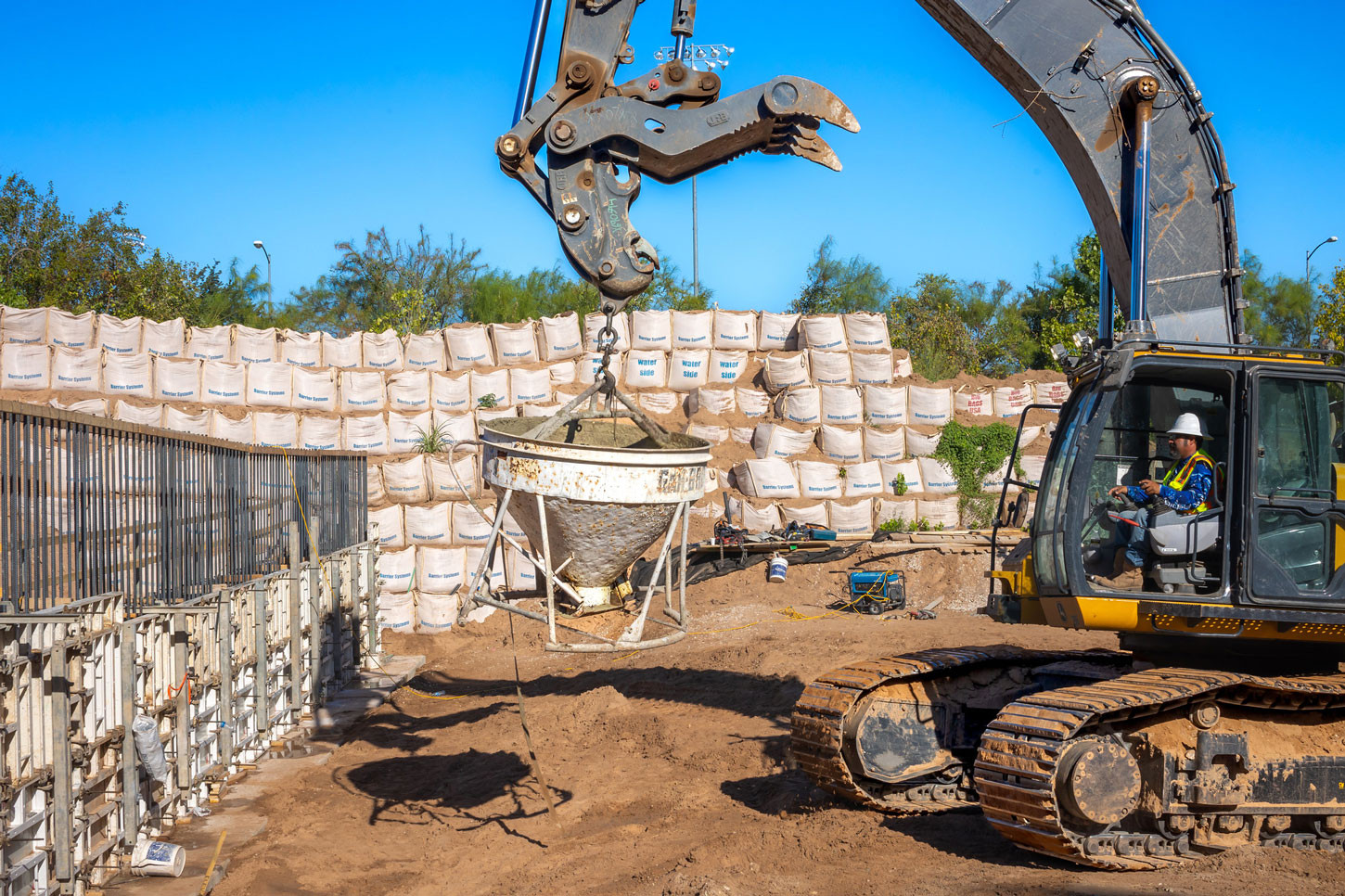
In response, the City of Austin partnered across departments to stabilize the creek channel, prevent further erosion, and restore safe access through the park. The project focused on repairing and realigning Country Club Creek after the 2015 flood event washed out the creek’s banks and destroyed the pedestrian bridge that provided access from Krieg Field. The work included constructing three grade-control structures that step stormwater safely from the creek down to the Colorado River, reinforcing channel banks with natural materials such as rock and native grasses, and restoring the creek with a more naturalized river bottom. A new pedestrian bridge, designed to withstand major flood events, now spans one of the grade-control structures, restoring a key connection within the park.
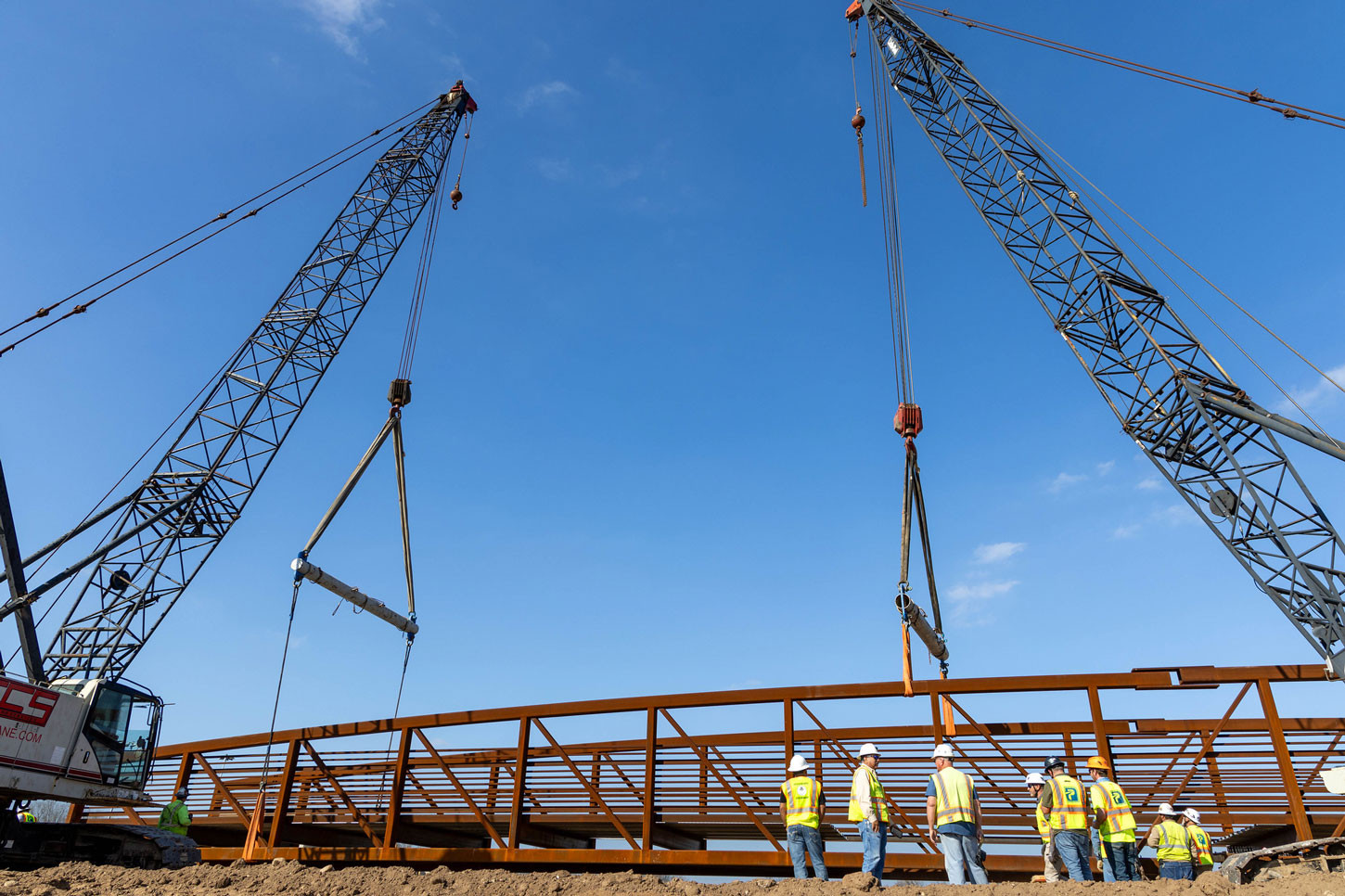
As project manager Darryl Haba explained, “The purpose of the project was to repair and re-align Country Club Creek as a result of the 2015 flooding event that washed out the creek’s banks and the pedestrian bridge that provided access into the park. In addition to repairing the erosion, the project stabilized more than 30 acres of parkland.”
The project also included environmental restoration efforts to improve the surrounding landscape. More than 40 trees were planted, and the City contributed $500,000 toward additional tree planting throughout the park to help offset the loss of mature trees caused by erosion. These improvements support habitat along the creek corridor while helping restore the park’s natural character.
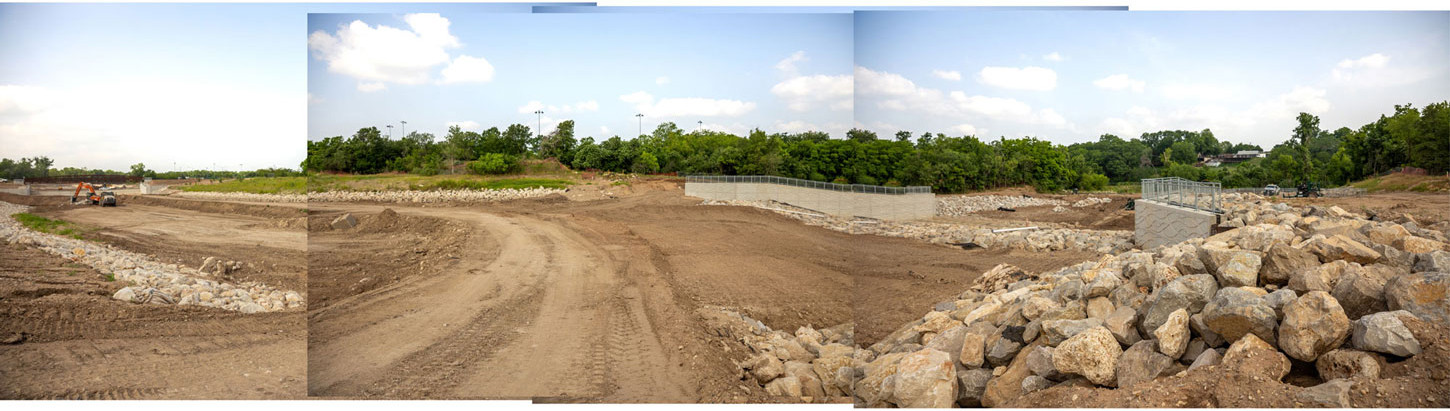
Funded through a combination of 2018 Bond funds, Drainage Utility funds, General Funds, and a FEMA Hazard Mitigation Grant, the project had an estimated construction cost of $25 million and a final total of approximately $28.5 million, coming in under budget. Construction began in August 2022 and was completed in September 2025.
A ribbon-cutting ceremony was held on February 6, 2026, attended by City leadership, including Mayor Kirk Watson and Watershed Protection Department Director Jorge Morales. Today, the project protects approximately 35 acres of parkland, reduces the risk of future erosion and flooding, and safeguards nearby homes and infrastructure. As the largest erosion control project in Austin’s history and a 2025 Project of the Year award winner from the Texas chapter of the American Public Works Association, it demonstrates the importance of investing in resilient infrastructure to address growing environmental challenges while preserving the spaces residents rely on every day.