

Austin's Healthy and Equitable Food System

Food connects us all.
From the places we shop to the meals we share, we all play a role in creating a more just and sustainable food system. Growing, selling, eating, and recovering food locally creates jobs, strengthens the economy, improves public health, and supports our city’s climate goals.
Read on for how the City of Austin is working with partners to strengthen our food system—and ways that you can help!
About the Austin/Travis County Food Plan
The Austin/Travis County Food Plan received official support from both Austin City Council and the Travis County Commissioners Court in October 2024!
Through a multi-year planning process, we partnered with community members to center and uplift the voices of those most impacted by our current food system to build a food plan for all. With the plan's adoption, partners across the region are working together to implement the nine goals and 61 strategies outlined in the Austin/Travis County Food Plan. Learn more about this work:
- Explore the food planning process and see what's in the plan
- Read the 2024 Austin/Travis County Food Plan (PDF, 13 MB)
- Check out the Food Plan Summary (PDF, 30 MB)
Read the Translated Food Plan Summary Document
Español | Tiếng Việt | 中文 (简体) | 한국어 | العربية | हिंदी | Français
Explore food system resources
Food resources for businesses, schools and communities
Food policy and research in Austin
Get help with food access today
Food system programs and initiatives
About Austin's food system
- Key facts about Austin's Food System
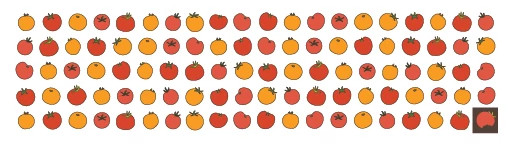
Approximately 0.06% of food consumed in Travis County is locally produced.

18% of people in Travis County experience food insecurity.
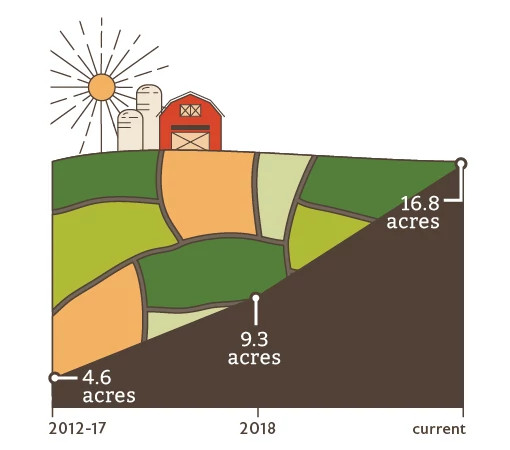
16.8 acres of farmland are lost every day in Travis County.
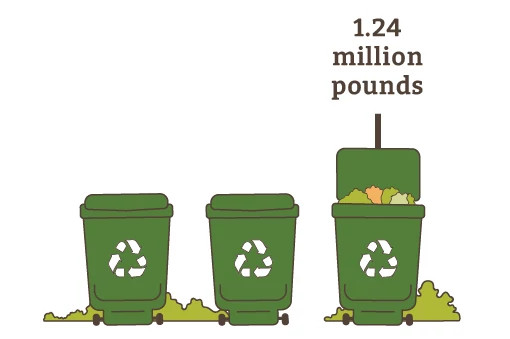
1.24 million pounds of food is wasted every day in Austin.
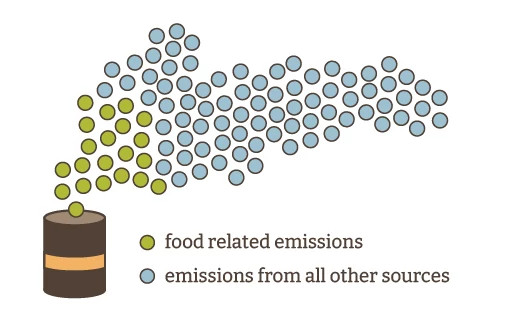
Food is responsible for 21% of all greenhouse gas emissions created by everyone in our community.
Learn more about Austin's food system in the State of the Food System Report (PDF, 2.5MB).
- Tips for sustainable eating
The food we eat not only affects our bodies, it impacts the planet as well.
In the United States, food typically travels around 1,500 miles from where it was farmed to your plate. This has big implications for the local economy, our resources, and the size of our carbon footprint.
From the places we shop to the meals we share, we each have a role to play in supporting a more just and sustainable food system. Follow these tips to add a bite of sustainability into your diet:
.png)
Buy Local
Choosing locally-produced food reduces impacts to the environment associated with transporting food from far away. And buying local improves Austin’s economy by supporting local farmers, ranchers, and other food producers. Want to support local farms by buying their produce? Visit a local farmer's market or consider joining a CSA (that’s Community Supported Agriculture)!
.png)
Tap into your Tap
Most bottled water is just filtered tap water, and it costs a lot to ship it around the country — not to mention all that wasted packaging. Don’t pay more for what you can easily do at home. Look into purchasing a filter for your faucet or water pitcher and invest in a reusable bottle to save hundreds of dollars per year!
.png)
Eat More Whole Foods
Processed foods often require more energy to make, create more packaging waste, and contain preservatives, colorings, and artificial flavorings that our bodies don’t need. Shop the perimeter at the grocery store for produce, meats, and dairy, and skip the center aisles filled with processed food. Then, break out your favorite recipes and commit to home cooking.
.png)
Select Smart Seafood
Humans take half a billion fish out of the ocean each day. Unsustainable fishing practices and high levels of mercury and other heavy metals in the fish we eat are hurting our oceans and our health. When buying fish, ask where it comes from and how it’s caught or farmed. For guidance, consider downloading the free Monterey Bay Aquarium Seafood Watch app. As a general rule, eat smaller fish.
.png)
Try 'Meatless Mondays'
Going meatless at least once a week can reduce your risk of chronic, preventable conditions like cardiovascular disease, diabetes, cancer, and obesity. In addition, prioritizing plant-based foods helps reduce your carbon footprint and saves precious resources like fossil fuels and fresh water.
It takes approximately 1,850 gallons of water to produce a pound of beef and only 39 gallons of water to produce a pound of vegetables.
.png)
Waste Not, Want Not
Austinites waste 200 million pounds of food each year! Food that ends up in landfills releases methane — a greenhouse gas that is more destructive than carbon dioxide. Before you go out to grab a bite, shop the fridge to eat what you already have at home. Try to freeze, can, or dehydrate surplus food to avoid spoilage. For food waste, be sure to compost it following Austin Resource Recovery's guide to what goes in the green cart.
Want more local food news?
Subscribe to the Austin Food Notes Newsletter.