
August 6, 2015
February 11, 2026
Freezing the Urban Heat Island Effect

Have you noticed that it is hotter in the city than out in the country? Urban centers, abundant with concrete and dark materials, absorb and then radiate heat back into the air late into the night. You may have noticed that rural areas surrounding Austin tend to be significantly cooler! This phenomenon is known as the urban heat island effect, and the extra heat we experience in our cities can be a serious problem for our health, the environment, and our energy use.

Figure 1- Heat Islands are often largest over dense areas of development, but may be broken up by vegetated sections within the urban area. Image courtesy of the Environmental Protection Agency.
HOW IT WORKS
Urban heat is characterized by elevated temperatures that are usually higher at night. This is caused by increasing land cover by manmade materials and heat generated by energy usage (i.e. air conditioning units). Concrete, buildings, and human activity all contribute to the creation of higher temperatures in metropolitan areas. Urbanization alone, without projected climate change, could drive urban temperatures up by 7°F by 2050. Climate change projections show Central Texas’s climate gradually becoming hotter, with temperatures rising three to seven degrees over the next 50 to 100 years.
Elevated urban temperatures, especially during the summer, can hurt our environment as well as our quality of life. Impacts include increased energy consumption, elevated emissions of greenhouse gases, and compromised human health. During the summer months, higher temperatures and air pollution can cause discomfort, respiratory problems, heat cramps, heat stroke, and even heat-related deaths. This is particularly a problem with children, older adults, and those with heart conditions.
Urbanization also increasingly fragments wildlife habitats, and eliminates food and water sources. Related urban heat also causes heat stress in wildlife, similar to what humans experience. Increased temperatures can even affect our creeks and larger bodies of water. Hot pavements and roof surfaces transfer excess heat to rainwater, which drains into our creeks and waterways. When the heated water is released into streams, rivers, ponds, and lakes, rapid changes in temperature can stress aquatic ecosystems, causing deadly consequences.
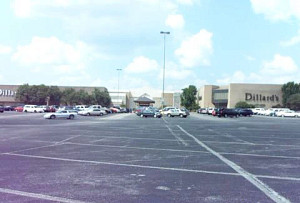
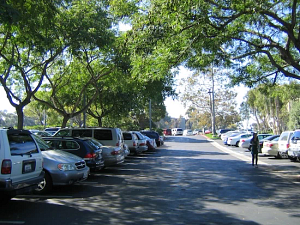
Figure 1- Parking lots and other dark concrete absorb heat and contribute to the urban heat island effect. Green elements and shade trees reflect the sun’s rays and shade pavement. Incorporating vegetation into paved areas will make places more comfortable in the summer’s heat.
STRATEGIES FOR REDUCING URBAN HEAT
Increasing our city’s green open spaces, like parks and undeveloped property, can help reduce intense urban heat and provide many environmental benefits for stormwater runoff, air quality, and wildlife habitat. Reducing impervious cover (like parking lots, driveways, and building footprints) can also reduce localized heat islands, particularly when vegetation is incorporated into the site. Plants have been shown to significantly reduce urban heat by shading heat-absorbing surfaces. They also cool the air around them through evapotranspiration, in which plants draw water from the soil and release it as water vapor into the air.
Wear a dark shirt on a sunny day, and you will definitely feel the heat because dark materials absorb more heat from the sun than light-colored ones. This same rule applies to buildings and paved, impervious surfaces in our built environment. Increasing our use of light-colored materials that reflect the sun’s energy is a key step in reducing Austin’s rising temperatures. White or light-colored roofs that prevent UV energy from being absorbed by a building drastically reduce energy use, but also prevent heat from being pumped (usually late into the night) into the area around a building. Pavements, often with black top coatings, make up 30 – 40% of the land cover in Austin and can reach peak summertime temperatures of 120 - 150°F.
You can help reduce urban heat by being aware of the factors that worsen it and incorporating one or more of the following 6 strategies into your next project.
Green Strategies:
- Trees and Leafy Plants - Trees and leafy plants cool the air around them and reduce cooling-related energy costs.
- Green Roofs - Through shading and the natural cooling provided by plants, green roofs cool your home both inside and out.
- Green Walls - Grow your own green wall and reap the cooling benefits of shady vegetation.
Lighten Up Strategies:
- Light-Colored, Reflective Roofs - Put a light-colored roof on a building to reflect solar energy and heat.
- Cool Pavement - Use light-colored, pervious pavement to keep your space cool.
- Shade structures - Keep cool by shading your space.
Article by Camille Cotsakis, Parks and Recreation Department, in partnership with Community Forestry Planning, Development Services Department, and Grow Green, Watershed Protection Department.
RESOURCES