

July 7, 2026
Austin Housing StoryMap Shows How Displacement Has Transformed Neighborhoods
Leal’s Tires original location on Cesar Chavez Boulevard in 2007. Used with permission by photographer John H. Langmore.
AUSTIN, TX – As housing costs rise, fewer affordable housing options are available. This makes it harder for people to stay in their neighborhoods, and as a result, they may end up moving farther from the city limits. This is displacement, an increasingly familiar phenomenon that households across the country are experiencing; here’s a glimpse into the experience in Austin.
The Austin market has been successful in creating more housing units, helping lower rents across the city. However, households at the lowest income levels have not benefited from lower rents. About half of Austin renters remain housing-cost burdened, meaning they spend more than 30% of their income on housing expenses.
The Austin Strategic Housing Blueprint includes a Displacement Mitigation Strategy that identifies 15 priorities to address displacement in Austin. Austin Housing developed a Displacement StoryMap that brings together data and stories of vulnerable households to show how housing costs, demographics, and jobs are reshaping where people can live in the city. The StoryMap is a tool that summarizes complex housing and historical data and displacement analysis to inform where the greatest areas of vulnerability exist and direct specific strategies to those spaces.
"By combining historical context, data, and community impact, the Story Map illustrates how Austin’s unprecedented growth has contributed to displacement while highlighting the positive outcomes of Austin Housing’s displacement mitigation efforts,” said Deletta Dean, Austin Housing Director. “Most importantly, it reflects our commitment to preserving affordability, stabilizing communities, and ensuring residents can remain and thrive in their neighborhoods for generations to come."
The Displacement StoryMap also highlights how Austin Housing is responding by creating and preserving opportunities to stabilize communities. The tool is intended to be a public-facing resource available to residents, community stakeholders, and policymakers. Ongoing updates and refinements are expected as new data, programs, and displacement prevention initiatives evolve.
Austin Housing’s Displacement Mitigation Efforts
The Displacement Prevention Division was created in 2019 as a response to the increasing displacement pressures Austinites continued to face. These programs help stabilize residents in their current homes and communities, working alongside affordable housing real estate investments that create and preserve income-restricted units across Austin.
The Displacement Prevention programs provide support to low-income households through:
Direct assistance to help residents remain in their homes.
Partnerships with community members and trusted organizations that connect residents to support and expand the reach of services.
Research and geographic targeting to identify where residents are most vulnerable to displacement.
How We Help Austinites Stay in Austin
Using data to identify areas most vulnerable to displacement through our Displacement Risk Area maps.
Nefertitti Jackmon, Austin Housing Displacement Prevention Officer explains: “The data confirms what many residents are already feeling, the pressure to move further outside of Austin’s urban core. Most importantly the data helps us to focus on where investments should occur. Our goal is to help support residents through Austin’s growth, not by impeding development, but by ensuring that resident voices, priorities, needs, and their desire to remain in Austin, are incorporated and considered as the city grows.”
Keeping vulnerable residents in their homes through our Home Repair Programs.
“I never thought it was possible to get this help. It changed my whole spirit. I feel proud to walk into my house now.” - Austinite who received home repair support
Supporting communities impacted by transit investments through Community Initiated Solutions.
“I am so blessed that CIS was able to help my family. This money saved us from losing our apartment.” - Austinite assisted through the Community Initiated Solutions programming.
Leveraging community knowledge to fight displacement through our Displacement Prevention Navigator Program.
“Thinking about the parents or grandparents and those who worked so hard to get where they are today… I just want to make sure they’re taken care of and able to stay in the home they worked so hard for.” – Displacement Prevention Navigator on why they joined the program
Stabilizing renters when crisis hits through our Rental Assistance program.
“Thank you for giving us hope and faith, allowing us to dream about our future again.” - Austinite assisted through our I Belong in Austin program
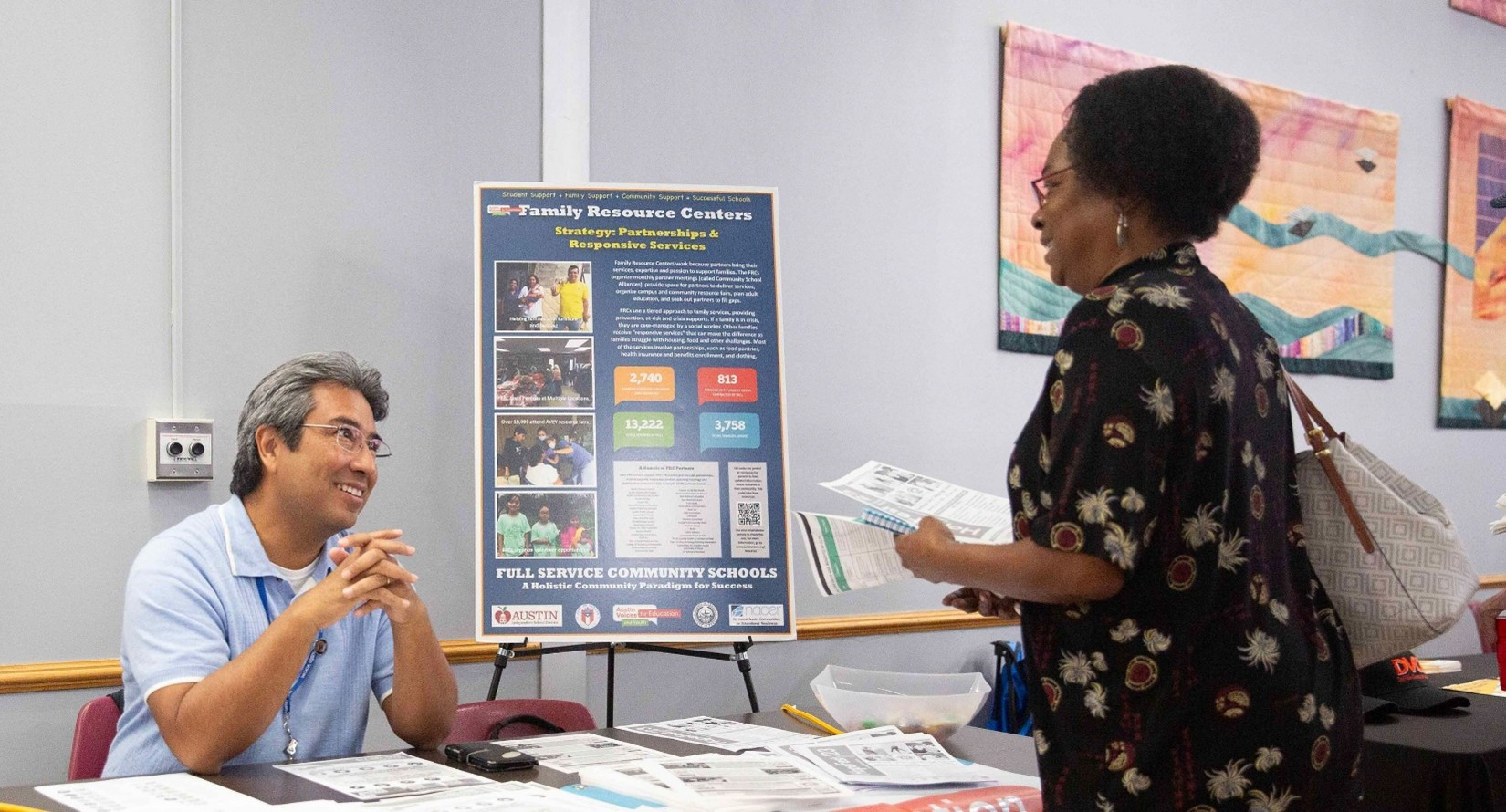
Community Support
“Investment should not create a future that local people cannot reach.” -Austinite feedback from Grove-Riverside site engagement
Through years of community engagement, we’ve learned that our community shares the same concerns about displacement. Austinites worry that:
Rising costs are pushing long-time residents out
Fear of losing connection and identity for long-time residents
Fear new investments will benefit newcomers more than current residents
Desire right-to-return, relocation benefits, and protections
Encourage preservation of existing affordable housing
Concern for our most vulnerable populations
Importance of addressing housing issues alongside other household needs
This comes from past engagement from the following initiatives: Grove-Riverside Redevelopment, Community Needs Assessment, Project Connect Anti-Displacement Funding, RHDA Lease Addendum, 5 Year Consolidated Plan, and Opportunity Map.
Learn more about our Displacement Prevention Initiatives.
About Austin Housing
Austin Housing creates and preserves housing opportunities to stabilize communities. To access affordable housing and community resources that help you, visit www.austintexas.gov/housing.
More News
Use the previous and next arrow buttons to navigate between slides.

