May 19, 2026
Austin Parks and Recreation Expands Park Access Through Strategic Land Acquisition Along Onion Creek
Austin Parks and Recreation acquired 50 acres of parkland along Onion Creek, advancing the City’s long‑term goal to ensure every resident lives within a 5‑minute or a 10‑minute walk of a park. The purchase completed in May 2026 preserves critical open space in a rapidly growing area of southeast Austin and reflects the City’s commitment to expanding equitable access to nature.
The Onion Creek property will operate as a land‑banked passive park, publicly accessible and maintained in its natural state until future development is planned. This approach allows the City to secure land at today’s prices, saving taxpayers money and ensuring future parkland is available as Austin grows.
With this acquisition, the City has now invested 92% of the 2018 bond program’s land acquisition funds and negotiations are underway for the remaining bond funds. The purchase also leverages the $50 million Land Acquisition Fund established by City Council in Fiscal Year 2025 to support multiple City priorities, including water protection, drainage improvements, expanded recreation opportunities, and flood‑risk mitigation.
The new parcel is part of a larger land assemblage that includes Old San Antonio District Park and Wunneburger Neighborhood Park. Once all components are secured, the area may evolve into a future Metropolitan Park, an expansive regional destination exceeding 200 acres. Vision planning will begin when the land assemblage is complete.
Timeline
- Year 0: Land is purchased for parkland
- Securing Parkland: Clearing of vegetation and other hazards to make park safe begins.
- Up to Year 1: Park is open to the public for passive recreation and is marked with signage.
- Pre-Development: Park improvements like trails and canopy lifting is incorporated.
- Year 2: Pending funding and priority, a park concept plan is created. Basic recreational opportunities may be added.
- Development: Initial park amenities identified in the concept plan may be added.
- Year 3+: Pending funding, additional or larger park amenities may be designed and constructed.
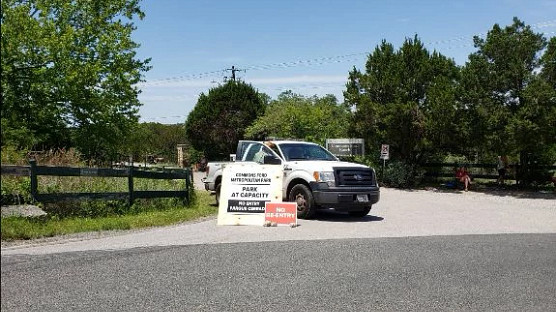
Newly acquired parks are typically secured, cleared from hazards, and open as passive parkland within six months to a year. These spaces provide opportunities for passive recreation like walking, picnicking, birdwatching, and open‑field play. Improvements, such as trails, usually follow within one to two years when funding is available. The new Onion Creek property is in the process of being secured and removing hazards and will remain closed until the existing hazardous structures are demolished. Once the park is open, it will show up on the park asset maps as open for passive use.
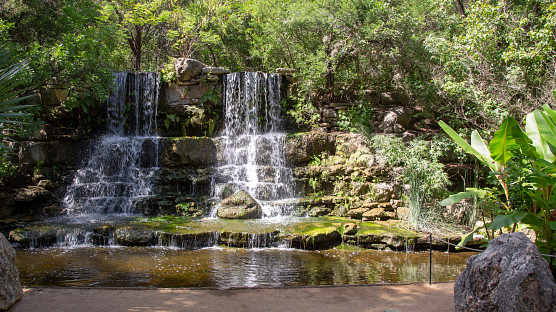
Passive parks serve an essential role in Austin’s park system. While fully developed parks may offer structured recreation and programming, passive parks offer relief from urban life and provide space for residents to connect with creeks, forests, wildlife, and native habitats.
Through voter‑approved bonds, Parkland Dedication Fees, and other funding sources, Austin continues to secure land for future parks, protect natural areas, and expand recreational opportunities. The City remains committed to providing equitable park access for all residents and preserving parkland for generations to come.
To learn more about the importance of acquiring parkland and parkland dedication visit the parkland dedication website.
###
More News
Use the previous and next arrow buttons to navigate between slides.